Mission Beach Queensland Guide 2026: Why May to October Is the Best Time to Visit the Cassowary Coast
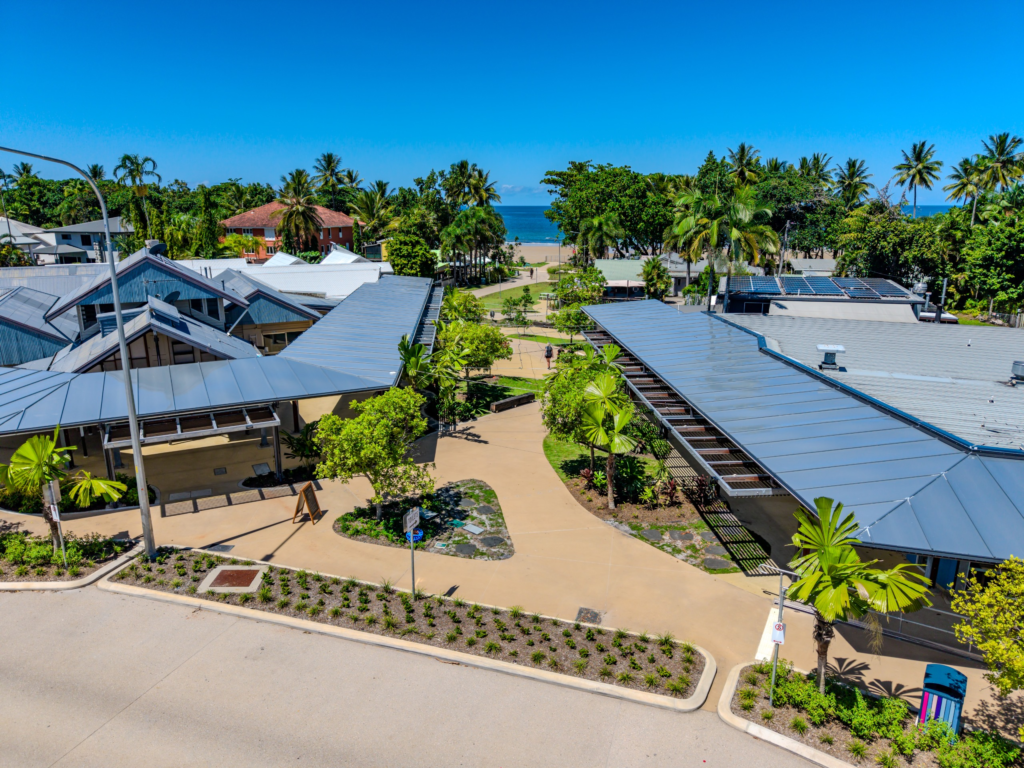
If you’re planning a trip to Far North Queensland and wondering about the best time to visit Mission Beach Queensland, the answer is refreshingly straightforward. Here is the Mission Beach Queensland Guide 2026: May through October. This six-month dry season window delivers everything a tropical escape should — warm sunny days, low humidity, calm turquoise seas, and wildlife encounters that simply don’t happen anywhere else in Australia. Whether you’re eyeing a day trip to Dunk Island, a multi-day eco-camping adventure, or a lazy week spent beachcombing beneath the palm trees, the dry season is when the Cassowary Coast truly shines.
Sitting 140km south of Cairns and 240km north of Townsville, Mission Beach is one of Queensland’s best-kept secrets. Here, the ancient Wet Tropics World Heritage rainforest tumbles directly down to the Coral Sea, and the Great Barrier Reef Marine Park begins just offshore. Getting the timing right means the difference between an unforgettable trip and one spent sheltering from a tropical downpour — or worse, watching the beach from behind a stinger net.
Understanding Mission Beach’s Two Seasons
The Cassowary Coast operates on a classic tropical two-season calendar. The wet season runs from November through April, bringing monsoonal rainfall, oppressive humidity, and the very real risk of cyclones. The dry season spans May through October, delivering clear skies, refreshing trade winds, and comfortable temperatures that make outdoor exploration a genuine pleasure.
According to the Bureau of Meteorology, Mission Beach averages daytime temperatures of 23–29°C during the dry season months, with far lower humidity than the summer months. Rainfall drops dramatically — July, for instance, typically records less than 30mm for the entire month, compared to January’s average of over 600mm. That contrast tells you everything you need to know.
Month-by-Month Dry Season Breakdown
May — The Sweet Transition
May marks the end of the wet and the beginning of one of Queensland’s most pleasant travel periods. The landscape is still lush and vibrantly green from the summer rains, and waterfalls in the surrounding rainforest are running at their fullest. Temperatures hover around 27–28°C, and while there may be the occasional shower early in the month, the humidity is already beginning to ease.
Marine stingers — primarily the box jellyfish and Irukandji — are winding down by late May, though it’s always worth checking with local operators before swimming outside of stinger-netted enclosures. This is an excellent month for value-conscious travellers, as accommodation rates start to ease from the shoulder-season low before rising again in June.
June and July — Peak Dry Season Perfection
June and July represent the absolute peak of Mission Beach’s dry season, and it shows. Days are reliably sunny, the southeast trade winds keep things comfortably breezy, and the Coral Sea settles into a gorgeous, glass-like calm that makes snorkelling and diving conditions exceptional. These are the months when Dunk Island ferry crossings are smoothest, and visibility in the water can exceed 15–20 metres on good days.
This is also peak booking season. Families take advantage of the Queensland school holidays in late June and early July, and visitor numbers climb accordingly. Book your Dunk Island ferry, eco-tent accommodation, and any guided tours well in advance — popular dates can sell out weeks ahead.
August and September — Wildlife Heaven
August and September are arguably the most rewarding months for wildlife enthusiasts. The dry conditions push cassowaries — those magnificent, prehistoric-looking birds that make the Cassowary Coast their home — closer to forest edges and walking tracks in search of fruit. Sightings along the Licuala Walking Track and near Kennedy Bay increase noticeably during this period.
The waters around Dunk Island also come alive. Dwarf minke whales pass through the outer reef from roughly June to August, and September brings increased turtle activity as green turtles begin nesting on beaches along the coast. Whale watching tours operating out of nearby ports offer exceptional encounters during this window.
October — The Final Flourish
October is the dry season’s grand finale, and it remains an outstanding time to visit. Temperatures begin to creep up — expect 29–30°C by the end of the month — and you’ll notice the first hints of building humidity as the wet season begins its approach. That said, October is still firmly in the safe and comfortable travel window, and the slightly warmer water temperatures make snorkelling particularly inviting.
Stinger season officially begins in November, so October remains stinger-free for ocean swimming. It’s also a quieter month than the school holiday peaks of July, making it ideal for those who prefer a more relaxed pace. If you’re planning to stay in the Eco Tents on Dunk Island, October is your last comfortable opportunity — the tents are not air-conditioned, and once November arrives, both heat and humidity make them considerably less comfortable for heat-sensitive guests.
The Stinger Season: What You Need to Know
Understanding stinger season in Queensland is essential trip-planning knowledge. Box jellyfish (Chironex fleckeri) and the smaller but highly dangerous Irukandji jellyfish are present in north Queensland’s inshore waters from approximately November through May. Their presence is strongly linked to warmer water temperatures and onshore winds that push them toward the beach.
During stinger season, swimming is only safe within the stinger-netted enclosures found at patrolled beaches — or in a full-length lycra stinger suit. Outside the dry season, open-water swimming, snorkelling, and paddling are genuinely hazardous without protection. The Queensland Health website provides up-to-date stinger information and treatment advice.
From May through October, the risk drops to near zero for most of the coast, and you can swim freely in the crystal-clear Coral Sea without a second thought. This freedom alone is reason enough to time your visit for the dry season.
Cassowary Sightings: Timing Your Wildlife Encounter
The southern cassowary (Casuarius casuarius johnsonii) is the Cassowary Coast’s most iconic resident — and one of Australia’s most endangered birds. These extraordinary creatures, which can stand 1.8 metres tall and weigh up to 70kg, are most reliably spotted during the dry season months when food sources in the deep rainforest begin to diminish.
Mission Beach is home to one of the highest densities of cassowaries in Australia, and sightings along forest trails, roadsides, and even near the beach are not uncommon between July and September. However, they are wild animals — never approach, feed, or attempt to interact with a cassowary. Maintain a safe distance of at least five metres, and back away slowly if one approaches you.
The Queensland Parks and Wildlife Service offers excellent guidance on cassowary behaviour and how to respond to an encounter safely. Reporting sightings to local ranger stations also helps conservation efforts.
Dunk Island in the Dry Season: Why It’s Unmissable
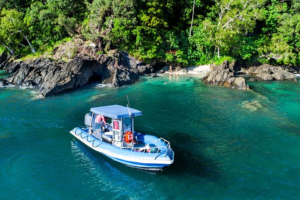
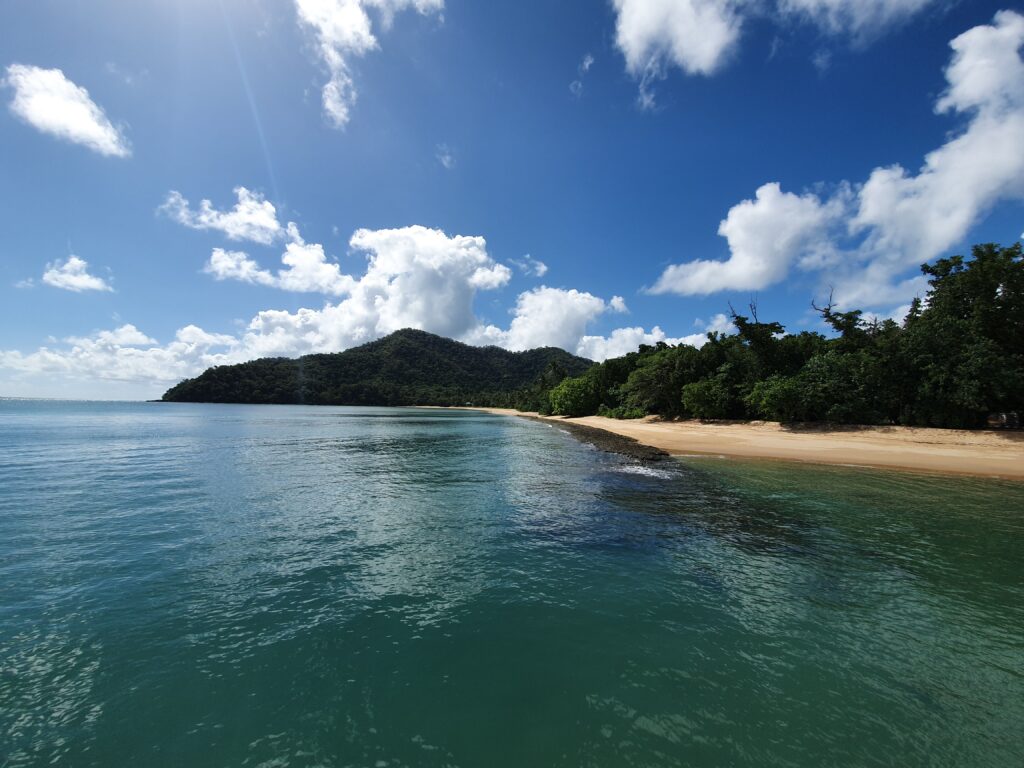
Dunk Island sits just 4km offshore from Mission Beach, and the 15-minute ferry crossing transforms dramatically between seasons. During the dry season, the Coral Sea is calm and often mirror-flat, making the crossing a pleasure rather than a test of sea legs. Once on the island, you’ll find conditions are ideal for snorkelling the fringing reef, kayaking around the headlands, and exploring the island’s remarkable network of walking trails.
The island’s Eco Tents — canvas glamping-style accommodation nestled within the rainforest — are at their most comfortable from May through October. As the tents have no air conditioning, the cooler nights and lower humidity of the dry season make sleeping genuinely restful. For comprehensive details on the camping experience, the Dunk Island Camp website has full information on bookings and availability.
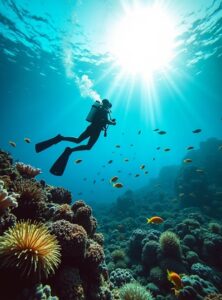
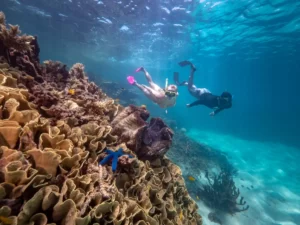
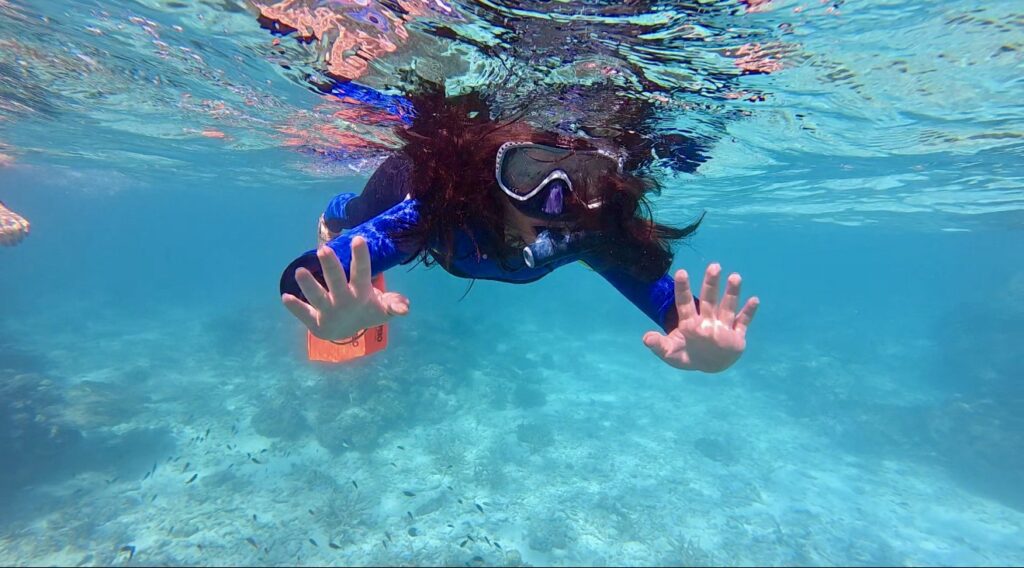
Snorkelling visibility peaks during the dry season, with reduced river runoff meaning the water stays clear and the coral colours pop with extraordinary brilliance. The reef around Dunk Island, though a fringing rather than outer reef system, teems with parrotfish, surgeonfish, reef sharks, sea turtles, and an astonishing variety of coral species.
Insider Tips for the Dry Season
- Book early for July school holidays: Queensland school holidays fall in late June and early July, and this is the single busiest period of the year. Ferry crossings and island accommodation fill up fast — aim to book at least six to eight weeks in advance.
- Pack a light layer for June and July evenings: Nighttime temperatures can dip to around 17–19°C, which feels genuinely cool after warm days. A light fleece or cardigan is worth packing.
- Morning ferry crossings offer the best wildlife spotting: The early morning light is extraordinary, and you’re more likely to spot dolphins, turtles, and seabirds on the water before the midday wind picks up.
- The Licuala Walking Track is spectacular after winter rains: The fan palms are at their lushest in May and June, and the rainforest light filtering through the canopy is unlike anything else in Australia.
- Don’t skip the village of Mission Beach itself: Beyond the beach, the village has excellent cafés, local art galleries, and markets worth exploring. Sunday morning markets are a community highlight during the cooler months.
- Trade winds from the southeast are strongest in July: This is generally a pleasant breeze rather than a problem, but if you’re snorkelling on the windward side of Dunk Island, check with local operators about conditions.
Getting to Mission Beach
Mission Beach is accessible by road along the Bruce Highway from both Cairns (approximately 1.5 hours south) and Townsville (approximately 2.5 hours north). A sealed road connects the highway to the beachside village. Greyhound Australia operates bus services along the coast, stopping at nearby Tully, with local connections into Mission Beach.
The nearest airports are Cairns (CNS) and Townsville (TSV), both well-served by Qantas and Virgin Australia. Car hire from Cairns is the most popular option for independent travellers, giving you the flexibility to explore the surrounding national parks and rainforest drives at your own pace.
Frequently Asked Questions
What is the best time to visit Mission Beach Queensland?
The best time to visit Mission Beach is during the dry season, from May through October. This period offers warm, sunny weather with temperatures of 23–29°C, no marine stingers, calm seas ideal for snorkelling and water sports, and peak wildlife activity including cassowary sightings and whale migration.
When is stinger season at Mission Beach?
Stinger season on the Cassowary Coast runs from approximately November through May, coinciding with the wet season and warmer water temperatures. Box jellyfish and Irukandji jellyfish are present during this period. From May to October, the risk is minimal and open-water swimming is generally safe without a stinger suit.
Is Dunk Island worth visiting in winter?
Absolutely. The dry season months of June through September are the very best time to visit Dunk Island. The ferry crossing is smooth, snorkelling visibility is at its peak, and the island’s Eco Tent accommodation is at its most comfortable thanks to lower humidity and cooler nights. It’s the ideal season for hiking the island’s trails and exploring the fringing reef.

Can I see cassowaries at Mission Beach in winter?
Yes — the dry season from July through September is the most reliable time for cassowary sightings around Mission Beach. As fruiting trees in the deep rainforest become less abundant, cassowaries move closer to forest edges, roadsides, and walking tracks. Always maintain a safe distance and never feed them.
What should I pack for a Mission Beach dry season trip?
Pack lightweight, breathable clothing for warm days, plus a light layer for cool June and July evenings. Reef-safe sunscreen, a rash vest or stinger suit for snorkelling, insect repellent for rainforest walks, and sturdy walking shoes are all recommended. If you’re staying in Eco Tents on Dunk Island, bring a good torch and any personal medications.
How far in advance should I book for the Mission Beach dry season?
For travel during the peak school holiday period (late June and July), booking six to eight weeks ahead is strongly recommended, especially for Dunk Island ferry crossings and eco-tent accommodation. For May, August, September, and October travel, two to four weeks’ notice is usually sufficient, though earlier is always better.
Plan Your Dry Season Escape Now
The Cassowary Coast dry season is one of tropical Queensland’s finest travel experiences — reliably beautiful, genuinely wild, and endlessly rewarding for anyone who makes the journey. From snorkelling the crystal-clear waters around Dunk Island to spotting a cassowary on a dawn rainforest walk, the May-to-October window delivers memories that last a lifetime.
Whether you’re planning a quick weekend escape or a week-long deep dive into one of Australia’s most extraordinary coastal landscapes, now is the time to lock in your dates. Browse Dunk Island day trips, explore Eco Tent availability, and start building your perfect Cassowary Coast itinerary today. The dry season won’t wait — and neither should you.